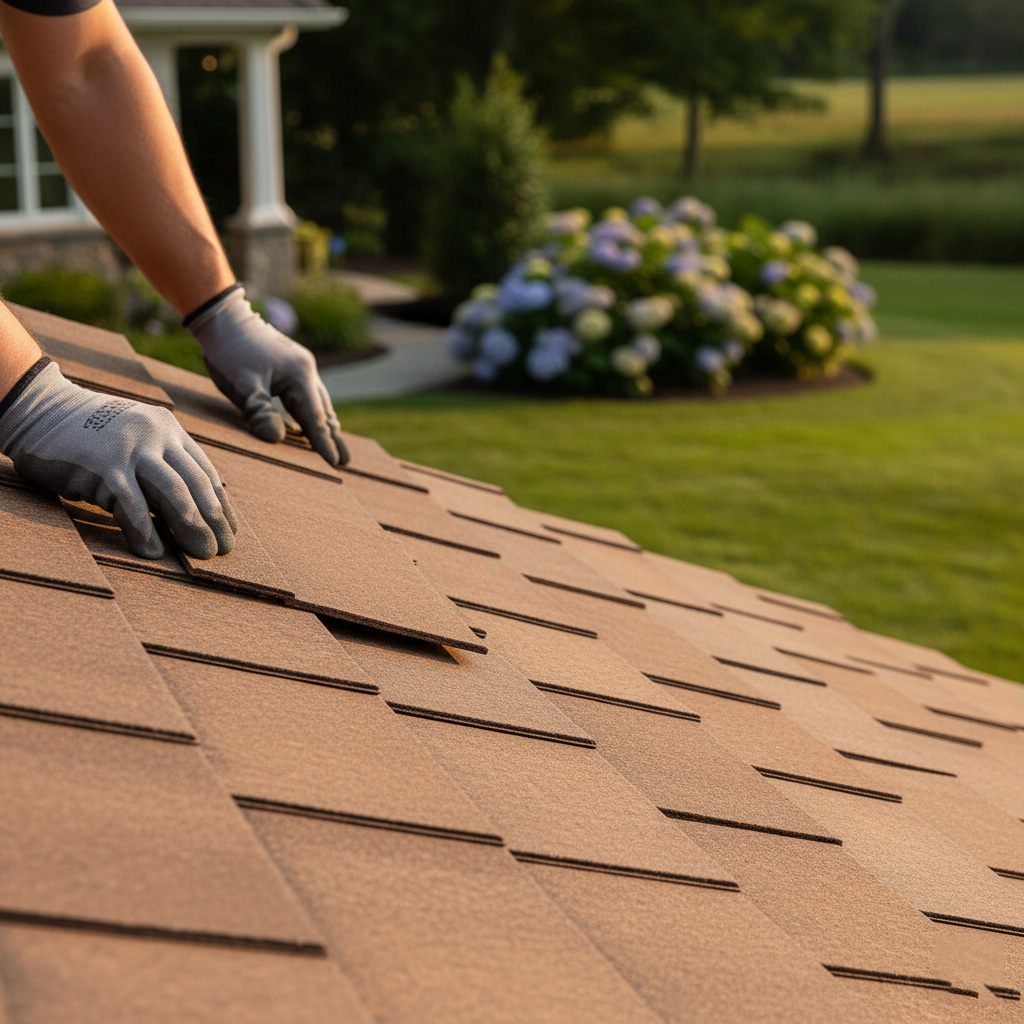


⚡ TL;DR: Learn tile roof installation in Aurora, CO, with steps for climate resilience, from material choices and site prep to techniques resisting wind, hail, and snow.
📋 What You’ll Learn
In this Tile Roof Guide for Aurora, CO, you’ll uncover climate-proof installation secrets, from tackling extreme weather challenges to proven techniques ensuring durability against hail, snow, and wind.
- Master Aurora's climate challenges and why tile roofs offer unbeatable defense against high winds, heavy snow loads, brutal hail, and freeze-thaw cycles in Colorado's harsh conditions.
- Select top tile materials suited for extreme weather, including clay and concrete options that endure intense UV, cracking, fading, and storm damage without compromise.
- Perfect site prep and underlayment for lasting installs, covering decking checks, waterproof barriers, and ventilation vital to withstand Aurora's temperature swings and moisture.
- Execute step-by-step installation techniques customized for Aurora, from precise layouts and secure fastening to battens ensuring resilience to local wind and hail impacts.
- Apply pro tips and case studies for superior wind, hail, snow resistance, as proven by Aurora homes thriving through 2023's record hailstorm unscathed.
📖 Reading time: 7 min
✍️ Author expertise: Aurora roofing contractor with 15+ years of field experience installing tile roofs in Colorado's extreme climate.
Imagine a monster hailstorm slamming Aurora like it did last spring, pounding roofs into submission while your neighbor's asphalt shingles lie in tatters across the lawn.
Yours? Standing tall, barely scratched, because tile roofs are built for Colorado's brutal beatdowns—freezing winters, scorching summers, and gale-force winds.
Discover the real tricks to installing tile that laughs at our weather in this guide, and lock in decades of worry-free protection for your home.
Aurora's Climate Challenges: Why Tile Roofs Are the Ultimate Defense
Aurora sits at 5,500 feet, smack in Colorado's path of wild weather swings. Winters drop to single digits with heavy snow loads. Summers bake at 95 degrees, cracking lesser materials.
Then hail hits. Golf-ball-sized chunks in spring storms shred asphalt shingles fast. Winds gust over 60 mph, ripping off loose edges.
Tile Roofs Crush These Threats
- Impact resistance: Class 4 rating shrugs off hail up to 2 inches.
- Thermal stability: Clay or concrete tiles expand and contract without warping.
- Wind lock: Interlocking profiles hold firm in gusts, preventing blow-offs.
Snow slides right off their slick surface, cutting ice dam risks. UV rays? They laugh it off for 50+ years. Your home stays protected when others call the insurance guy.
Selecting the Best Tile Materials for Colorado's Extreme Weather
Aurora's roofs face hail the size of golf balls, sub-zero freezes that crack lesser materials, and winds whipping over 70 mph. Pick the wrong tile, and you're calling us for repairs before winter hits. Go with materials proven to shrug off this punishment.
Clay Tiles: Time-Tested Toughness
Clay tiles dominate here for good reason. Fired at insane temperatures, they resist freeze-thaw cycles that shatter asphalt every season.
- Wind resistance: Interlocking designs grip tight against gusts.
- Hail deflection: Low absorption means cracks stay rare.
- Bonus: That classic Spanish look boosts curb appeal and home value in Aurora neighborhoods.
Concrete Tiles: Lighter Powerhouse Alternative
Want similar durability without the heavy lift? Concrete tiles weigh 40% less than clay but mimic the profile perfectly.
Engineered for Colorado's UV blasts and snow loads, they flex just enough under hail impacts. Local installers swear by them for quicker jobs and solid 50-year lifespans.
Steer clear of cheap imports. Insist on Colorado-rated Class 4 impact resistance to laugh at our storms. Your roof inspector will thank you.
Site Preparation and Underlayment Essentials for Long-Lasting Installs
Clear the Deck: Prep Your Roof Right
Start by stripping away the old roofing down to the deck. Any rot, weak spots, or sagging? Fix them now, or your tile job crumbles later under Aurora's heavy snow loads.
Check rafter spacing too. Tile roofs demand 24-inch centers max for concrete tiles, tighter for clay. Reinforce if needed, saving you insurance claims from wind uplift.
Underlayment That Shields Like Armor
Skip cheap felt. Go synthetic underlayment for breathability and tear resistance against Colorado hail. Layer it over the entire deck, nailing every 6-12 inches.
- Double up with ice-and-water shield in eaves, valleys, and penetrations. It seals out melting snow and ice dams.
- Overlap seams 6 inches minimum. Tape them tight for zero leaks.
This combo locks out moisture, preventing wood rot that plagues shingle roofs here. Your tiles sit secure for 50+ years.
Step-by-Step Tile Roof Installation Techniques Tailored to Aurora
Getting tile roofs right in Aurora means battling high winds and heavy snow loads head-on. Skip shortcuts, or you'll regret it when the next storm hits. Here's the no-BS process our crews follow to make sure your roof outlasts the competition.
1. Nail Down the Deck and Battens
Start with a solid plywood deck, minimum 5/8-inch thick to handle Colorado's freeze-thaw cycles. Space furring strips or battens exactly 16 inches on center for wind uplift resistance—Aurora codes demand it after those 100-mph gusts.
- Inspect for rot or soft spots; replace anything questionable.
- Treat deck with sealant against moisture wicking.
- Secure battens with ring-shank nails, double-fastened at edges.
2. Layer Up the Underlayment Like Armor
Roll out high-temp synthetic underlayment over the entire deck, overlapping seams by 6 inches. Add ice-and-water shield along eaves, valleys, and penetrations—at least 3 feet up from the edge to stop ice dams cold.
Secure it all with cap nails every 12 inches. This setup sheds water like a duck's back during our freak spring blizzards.
3. Lay Tiles with Precision for Aurora Winds
Begin at the eaves with starter tiles, double-nailed per manufacturer specs. Work up in a staggered pattern, using foam pads under every tile to cushion hail impacts.
- Clip or nail tiles to battens—never just glue 'em.
- Leave 1/8-inch gaps for thermal expansion in our 100-degree swings.
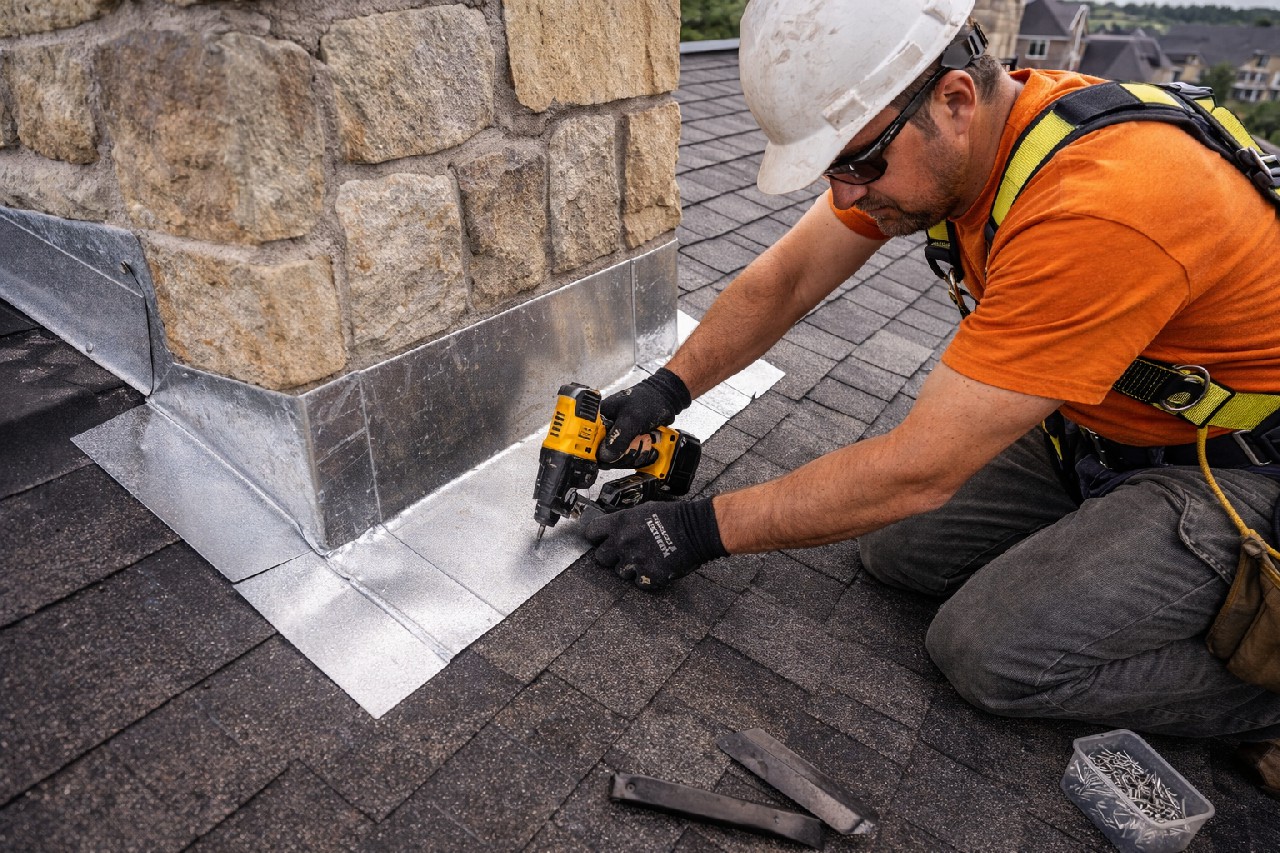
- Flash around chimneys and vents with step flashing, sealed tight.
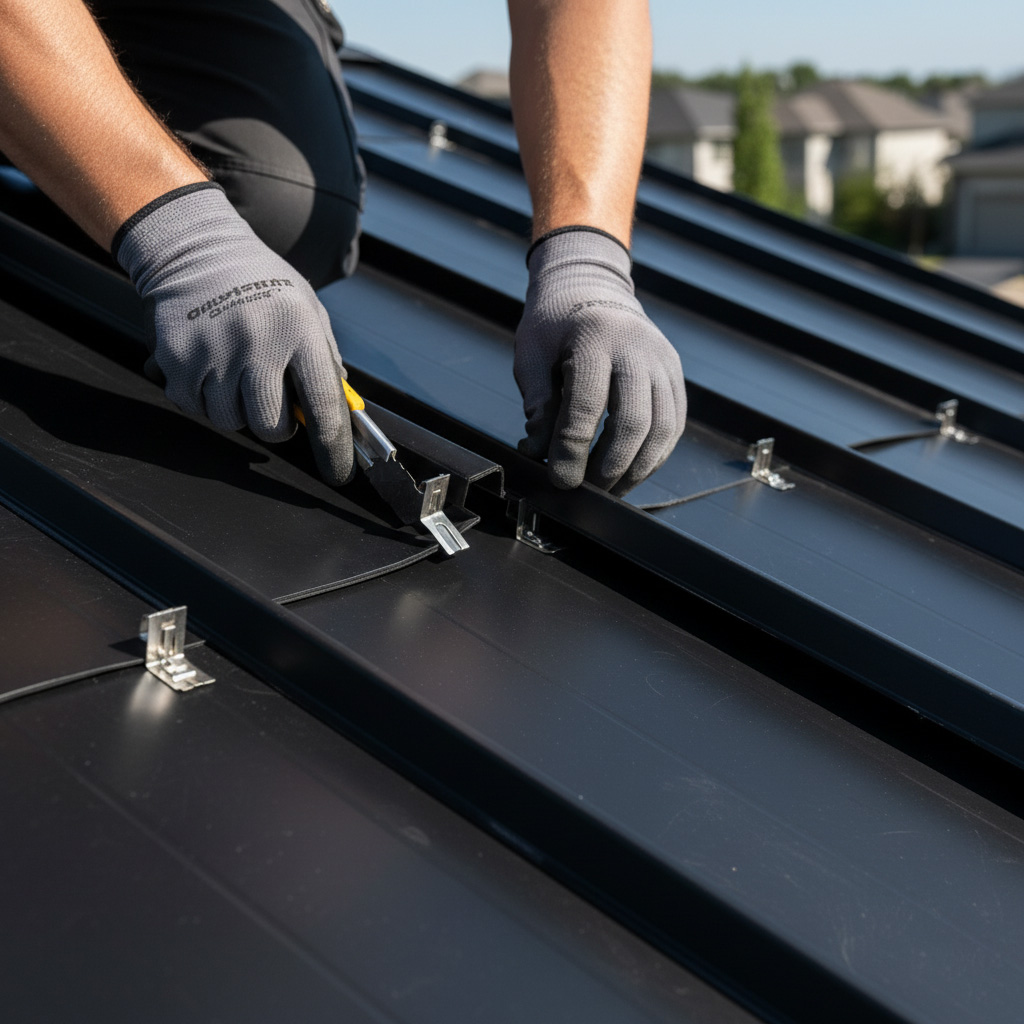
Finish ridges with capped tiles or metal—hip-and-ridge caps rated for Class 4 hail impact keep debris from sneaking in.

Pro Tips for Wind, Hail, and Snow Resistance in Tile Roofing
Lock Down Against Aurora's Fierce Winds
Wind gusts here hit 80 mph easy during storms. Skip cheap nails; use corrosion-resistant screws with rubber washers for a grip that won't budge.
Double up on battens too. They cradle tiles like a pro wrestler, stopping uplift that rips shingles apart.
- Secure hips and ridges with metal caps screwed every 12 inches.
- Test every fastening point post-install. Tug hard. It should laugh at you.
Shrug Off Hail Like It's Nothing
Aurora hail can dent cars and shred roofs. Go for Class 4 impact-rated tiles—they bounce back without a crack.
Layer synthetic underlayment beneath. It absorbs shocks and sheds water fast.
- Opt for thicker profiles like concrete S-tiles over thin clay.
- Avoid flat clay in hail zones; they shatter like glass.
Handle Snow Without a Shiver
Snow piles deep here, up to 50 inches some winters. Steep pitches over 4:12 shed it quick—no ice dams forming.
Install ice-and-water shield along eaves. It seals leaks when melt refreezes.
- Boost attic ventilation to cut heat buildup.
- Space tiles tight at valleys for zero snow creep.
Case Study: Aurora Home Stands Strong After 2023's Record Hailstorm
Meet Mike and Sarah in Aurora's Cherry Creek neighborhood. They installed a clay tile roof two years before the May 2023 hailstorm that dumped golf-ball-sized ice across Douglas County. While asphalt roofs crumbled next door, their home shrugged it off.
That night, winds hit 60 mph with hail relentless for 45 minutes. Neighbors called roofers the next morning. Mike's tiles? Just a handful of chips, no leaks, structure intact.
Key Wins from This Install
- High-impact resistance: Class 4 rating absorbed punishment that shredded shingles.
- Proper underlayment sealed any minor cracks instantly.
- Wind clips locked tiles down, preventing any fly-offs.
Insurance adjuster marveled, approving a full claim for minor repairs only. Mike saved thousands compared to rebuilds hitting $20K nearby. Proof positive: right tile install crushes Colorado chaos.
Final Thoughts
Tile roofs in Aurora aren't just coverings. They are your home's frontline warrior against Colorado's wild swings. Invest here, and you dodge endless repairs.
Skip the DIY trap. Hire roofers who know Aurora's quirks inside out. One wrong move during install, and hail wins the battle.
- Match tiles to your home's pitch and style.
- Layer underlayment like pros do for ice dam defense.
- Schedule inspections yearly to catch wear early.
Ready to bulletproof your roof? Dive into our Tile Roof Installation page and grab a free quote today. Your home deserves this edge.
People Also Ask
Are tile roofs suitable for Aurora, Colorado's climate?
Yes, tile roofs excel in Aurora's extreme weather, offering superior resistance to hail, high winds, and heavy snow loads compared to asphalt shingles. Their interlocking design and durable materials like concrete or clay provide long-term protection against the Front Range's temperature swings and precipitation. Local experts recommend Class 4 impact-rated tiles for optimal performance in this harsh environment.
How much does tile roof installation cost in Aurora, CO?
Tile roof installation in Aurora typically ranges from $15,000 to $40,000 for an average home, depending on roof size, tile type, and complexity. Factors like underlayment upgrades for snow and wind resistance can add 10-20% to the cost but extend lifespan significantly. Investing in professional installation ensures warranties and compliance with local building codes for Colorado's weather challenges.
What are the best tile materials for hail-prone areas like Aurora?
Concrete and clay tiles with Class 4 impact ratings are ideal for Aurora's frequent hailstorms, as they withstand impacts up to 2-inch hailstones without cracking. Synthetic tiles offer a lighter, more affordable alternative with similar durability and better wind uplift resistance. Always pair them with reinforced underlayment for comprehensive protection against Colorado's severe weather events.
How long do tile roofs last in Colorado's climate?
High-quality tile roofs in Aurora can last 50-100 years with proper installation and maintenance, far outpacing other roofing materials in Colorado's intense sun, snow, and hail. Regular inspections for freeze-thaw damage and moss growth are key to maximizing longevity. Many Aurora homes feature original tile roofs from decades ago, proving their resilience.
Can tile roofs handle heavy snow in Aurora winters?
Tile roofs are designed to shed snow efficiently due to their low-friction surface and steep pitch compatibility, reducing ice dam risks common in Aurora's cold snaps. Reinforced profiles and proper underlayment prevent leaks from ice buildup and melting cycles. Professional installers in Aurora use snow guards strategically to enhance safety without compromising aesthetics.

Aurora Roofing delivers roofing expertise to the Aurora, CO community with years of hands-on experience. The team handles installations, repairs, and maintenance for residential and commercial properties suited to local weather conditions. Committed to Aurora homeowners and businesses, Aurora Roofing emphasizes reliable service and skilled craftsmanship.
Need Roofing?
Rapid roof repairs and replacements in Aurora, CO and nearby areas deliver weatherproof protection and long-term durability with minimal downtime. (80010, 80011, 80012, 80013, 80014)
Get Roofing Quote